
Renal Sciences & Kidney Transplant
The kidneys filter over 200 litres of blood daily, regulating fluid balance, controlling blood pressure, and eliminating waste the body cannot tolerate. When they fail, every system suffers. At Park Hospitals, our Department of Renal Sciences & Kidney Transplant provides expert, comprehensive care across every stage of kidney disease from early chronic kidney disease to end-stage renal failure requiring dialysis or transplantation.
Our nephrologists believe in early intervention, catching kidney disease before dialysis becomes inevitable through precise diagnosis, aggressive management of hypertension and diabetes, and evidence-based pharmacological therapy. For patients already requiring renal replacement therapy, our haemodialysis unit provides safe, medically supervised, comfortable treatment with dedicated nephrologists and trained nursing staff managing every session.
Our kidney transplant programme offers both living donor and deceased donor transplantation, led by experienced transplant surgeons and a dedicated transplant nephrology team who manage the entire journey, from evaluation and compatibility testing through surgery, immunosuppression management, and long-term post-transplant surveillance.
Patient education is central to our programme, helping patients and families understand their condition, make informed choices, and take an active role in their kidney health. At Park Hospitals, a kidney diagnosis does not define a patient's future expert, compassionate care does.
Diseases and Procedures
Advanced Treatments For Every Disease
1 Acute Kidney Injury
Acute Kidney Injury (AKI) is a sudden decline in kidney function that occurs over a short period, resulting in the kidne Read More
2 Benign Prostatic Hyperplasia
Benign Prostatic Hyperplasia (BPH) is a common condition in which the prostate gland becomes enlarged, leading to pressu Read More
3 Diabetic Nephropathy
Diabetic nephropathy is a serious kidney-related complication of diabetes that occurs when persistently high blood sugar Read More
4 Erectile Dysfunction
Erectile dysfunction (ED) is a condition in which a man experiences persistent difficulty achieving or maintaining an er Read More
5 Hypertensive Nephropathy
Hypertensive nephropathy is a kidney disorder that develops as a result of long-standing, uncontrolled high blood pressu Read More
6 Incontinence
Incontinence is a condition characterized by the involuntary loss of bladder or bowel control, resulting in the accident Read More
Meet Our Experts
Experienced Clinical Leaders
Consult with our highly skilled specialists dedicated to providing world-class medical expertise and personalized treatment plans.
Find A Doctor







.png)








.JPG)









.png)






Patient Testimonials
Stories Reflecting Excellence in Patient Care

Robotic Knee Replacement Success Story
A patient regained mobility and confidence through successful robotic knee replacement surgery. Advanced robotic technology, expert orthopedic care, and personalized rehabilitation helped reduce pain, improve movement, and enhance overall quality of life.
Know More
Pain-Free Walking After Total Knee Replacement
Following a successful Total Knee Replacement (TKR), the patient regained mobility and confidence. Expert orthopedic care, advanced surgical techniques, and rehabilitation support helped achieve pain-free walking and an improved quality of life.

Goodbye Knee Pain! | Advanced Knee Replacement | Dr. Anand Jindal | Park Hospital Panchkula
Chronic knee pain can affect your mobility and quality of life. Advanced knee replacement surgery can help you move comfortably and regain confidence.
Dr. Anand Jindal
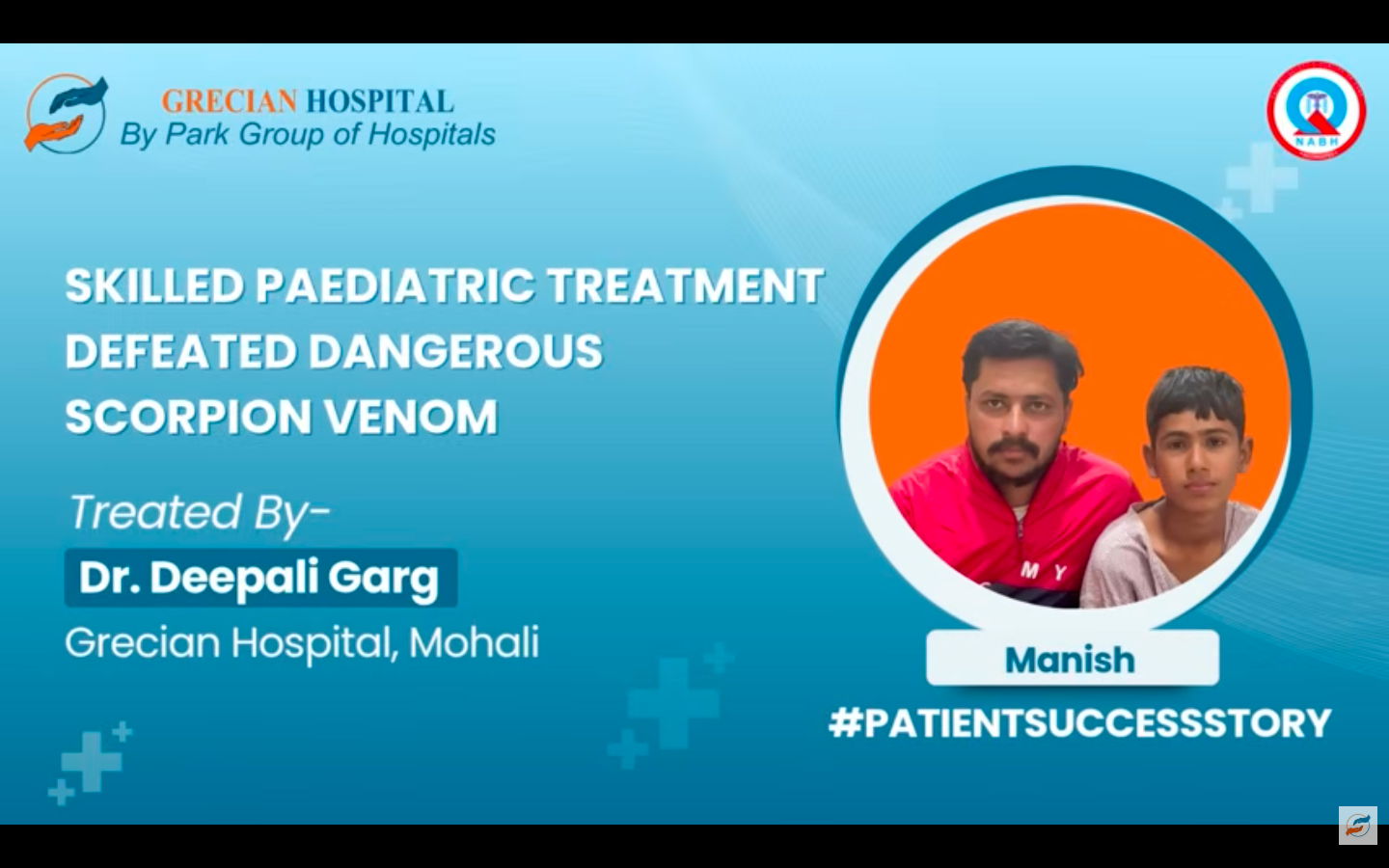
Expert Paediatric Care Defeats Scorpion Venom
A child suffering from a dangerous scorpion sting was successfully treated through timely intervention and expert pediatric care. Prompt diagnosis, critical monitoring, and specialized treatment ensured a safe recovery and positive outcome.
Dr. Milan Arora


















Our Hospital Locations
Healing Near You
Experience world-class clinical expertise and compassionate care at our advanced facilities conveniently located across the region
View AllHealth Tips
Expert Advice for Healthy Life





Frequently Asked Questions
Common questions answered by our experts
A renal and kidney transplant team manages advanced kidney conditions that may lead to kidney failure or require transplantation. These can include chronic kidney disease, diabetic kidney disease, glomerulonephritis, polycystic kidney disease and kidney damage associated with conditions such as high blood pressure or autoimmune disease. Transplant teams also evaluate people with end-stage kidney disease who may need dialysis or a kidney transplant. Care is coordinated among kidney specialists, transplant surgeons and other healthcare professionals based on the patient's condition and treatment needs.
A kidney transplant may be considered when kidney function has declined significantly or a person has reached kidney failure requiring dialysis. Some patients may undergo a preemptive transplant before dialysis begins if they are suitable candidates and a compatible donor kidney is available. Transplant evaluation may begin before kidney failure becomes severe, allowing time to assess eligibility and identify potential living donors. The decision depends on kidney function, overall health, other medical conditions and whether transplantation is expected to be safe and beneficial.
Kidney function is primarily assessed through blood and urine tests. Blood tests measure waste products such as creatinine, which helps doctors estimate the glomerular filtration rate, or eGFR. Urine tests can identify protein, blood and other signs of kidney damage. Depending on the condition, doctors may also use ultrasound, CT or MRI to examine the kidneys, while a kidney biopsy may be recommended when the cause of kidney disease is unclear. These findings help determine the severity and guide treatment.
Treatment depends on the stage and cause of kidney disease. It may include medicines, dietary and lifestyle changes, and treatment of conditions such as diabetes or high blood pressure that can worsen kidney damage. As kidney function becomes severely reduced, options may include dialysis, kidney transplantation or supportive care. A transplant may be considered for suitable patients with advanced kidney disease or kidney failure. The treatment plan is based on kidney function, underlying disease, overall health and individual circumstances.
A living kidney donor may be a relative, friend or, in some cases, an unrelated person. Potential donors must undergo a detailed medical evaluation to determine whether donating a kidney is safe for them and whether their kidney is suitable for the recipient. Blood type, tissue compatibility and other factors are assessed. Donors must be healthy enough to undergo surgery and continue living safely with one kidney. The transplant centre determines eligibility after completing the required medical and psychological assessments.
Before transplantation, the recipient undergoes a comprehensive evaluation to determine whether surgery and lifelong anti-rejection medicines are likely to be safe. This may include a physical examination, blood tests, imaging, cancer screening and psychological assessment. Doctors also evaluate the heart, blood vessels, infections and other conditions that could affect transplant outcomes. Compatibility testing includes blood typing, tissue typing and a crossmatch between donor and recipient. The transplant team reviews these findings before deciding whether transplantation is appropriate.
Protecting kidney health involves managing conditions that can damage the kidneys, particularly diabetes and high blood pressure. Regular medical check-ups can help monitor kidney function and identify changes early. Following prescribed medicines, maintaining a healthy lifestyle and discussing all medicines and supplements with your healthcare professional are also important. People with kidney disease may need specific dietary or fluid recommendations based on their condition. Regular blood and urine testing can help monitor kidney function and guide changes in treatment when needed.