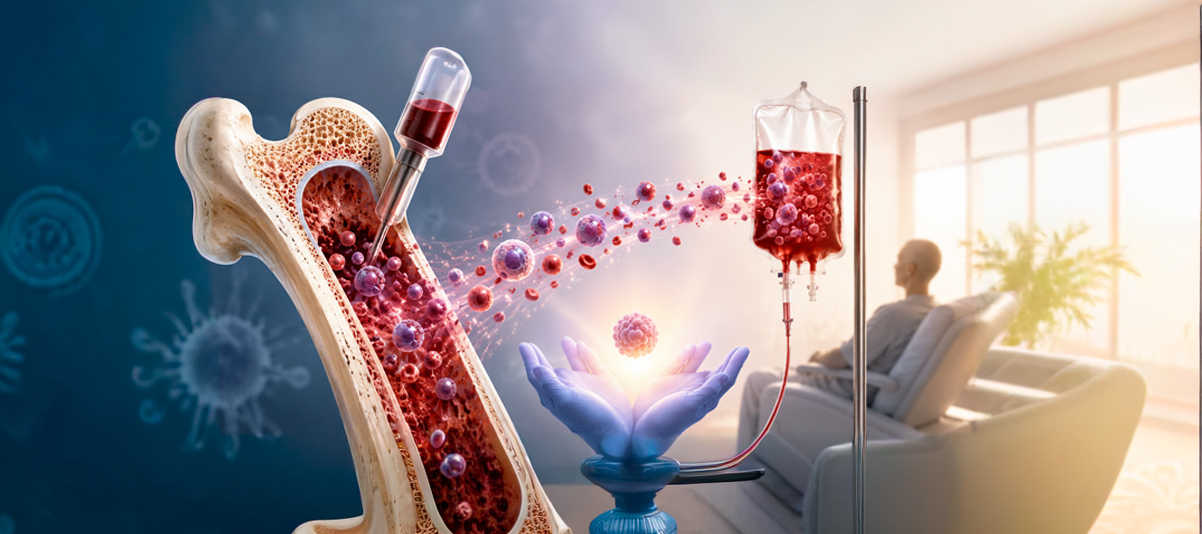
Bone Marrow Transplant
Bone Marrow Transplant in India
Bone marrow transplant represents the most advanced and potentially curative treatment for a range of life-threatening blood cancers and bone marrow disorders. At Park Hospitals, our Bone Marrow Transplant programme combines cutting-edge medical expertise with specialised infrastructure and deeply human care, giving patients with haematological malignancies access to life-saving treatment in a safe, supportive environment.
Our BMT programme offers both autologous transplants, using the patient's own stem cells and allogeneic transplants using matched sibling, unrelated, or haploidentical family donors. Conditions treated include acute and chronic leukaemia, multiple myeloma, lymphoma, aplastic anaemia, myelodysplastic syndrome, and thalassaemia. Every patient undergoes a thorough pre-transplant evaluation to determine eligibility and optimise conditioning.
Our dedicated BMT unit with HEPA-filtered positive pressure rooms and strict infection control provides round-the-clock care during the critical engraftment period. Our multidisciplinary team of haematologists, transplant nurses, pharmacists, dietitians, and infectious disease specialists ensures that every patient receives continuous, expert monitoring and support.
Donor coordination, stem cell mobilisation, collection, and cryopreservation are all managed in-house. Post-transplant follow-up extends for years beyond the procedure. At Park Hospitals, bone marrow transplant is delivered with the highest levels of clinical expertise and genuine compassion.
Patient Testimonials
Stories Reflecting Excellence in Patient Care
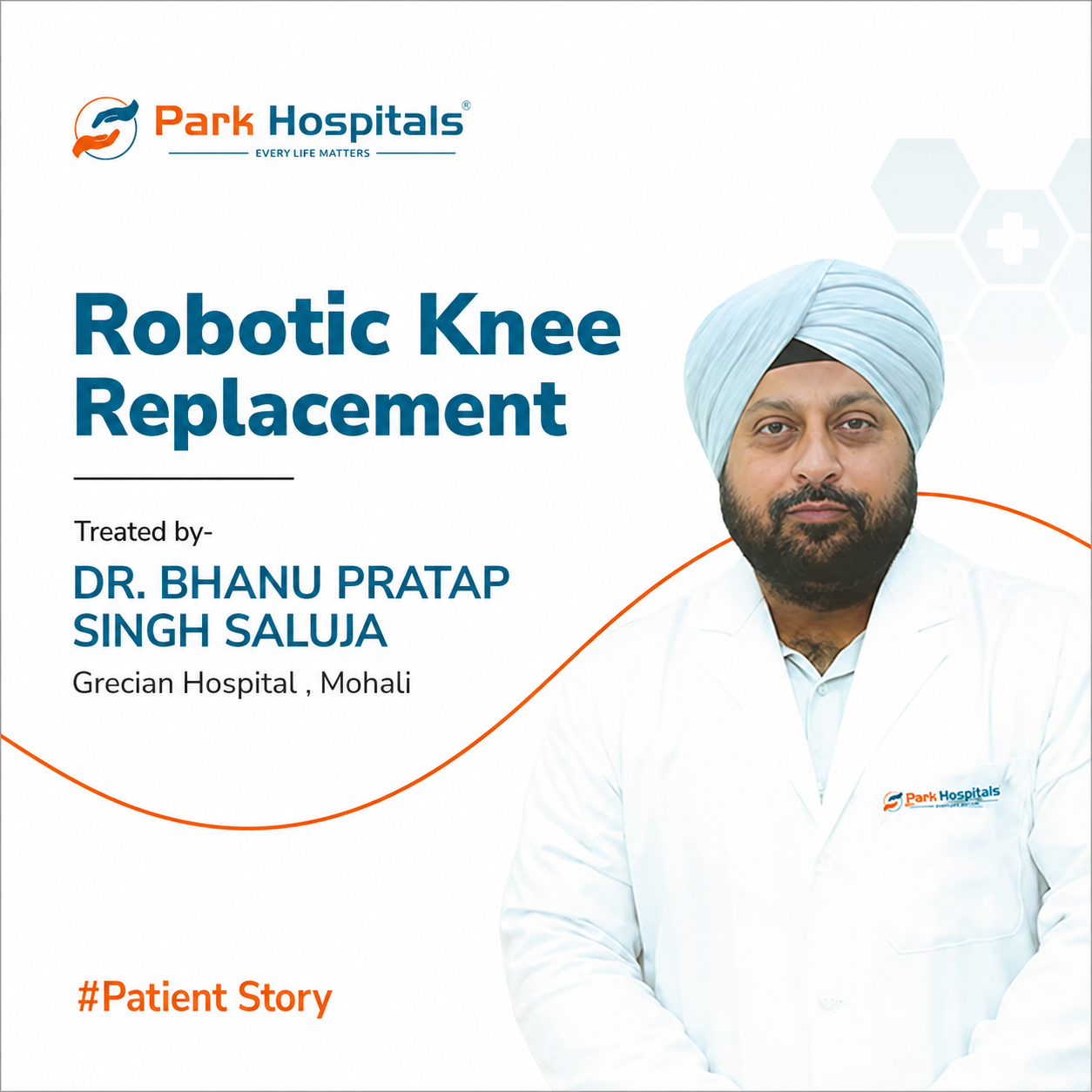
Robotic Knee Replacement Success Story
A patient regained mobility and confidence through successful robotic knee replacement surgery. Advanced robotic technology, expert orthopedic care, and personalized rehabilitation helped reduce pain, improve movement, and enhance overall quality of life.
Know More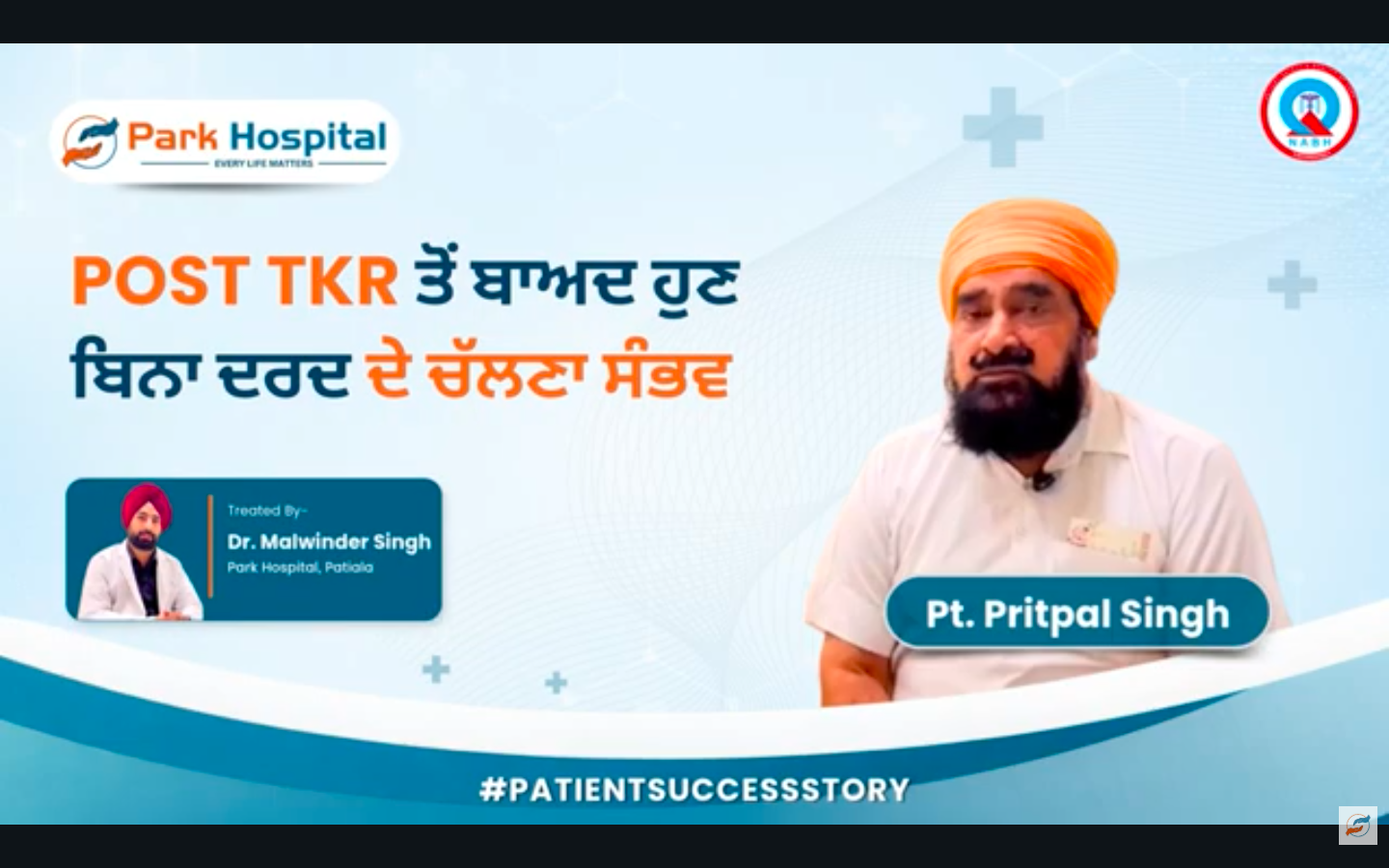
Pain-Free Walking After Total Knee Replacement
Following a successful Total Knee Replacement (TKR), the patient regained mobility and confidence. Expert orthopedic care, advanced surgical techniques, and rehabilitation support helped achieve pain-free walking and an improved quality of life.
Goodbye Knee Pain! | Advanced Knee Replacement | Dr. Anand Jindal | Park Hospital Panchkula
Chronic knee pain can affect your mobility and quality of life. Advanced knee replacement surgery can help you move comfortably and regain confidence.
Dr. Anand Jindal
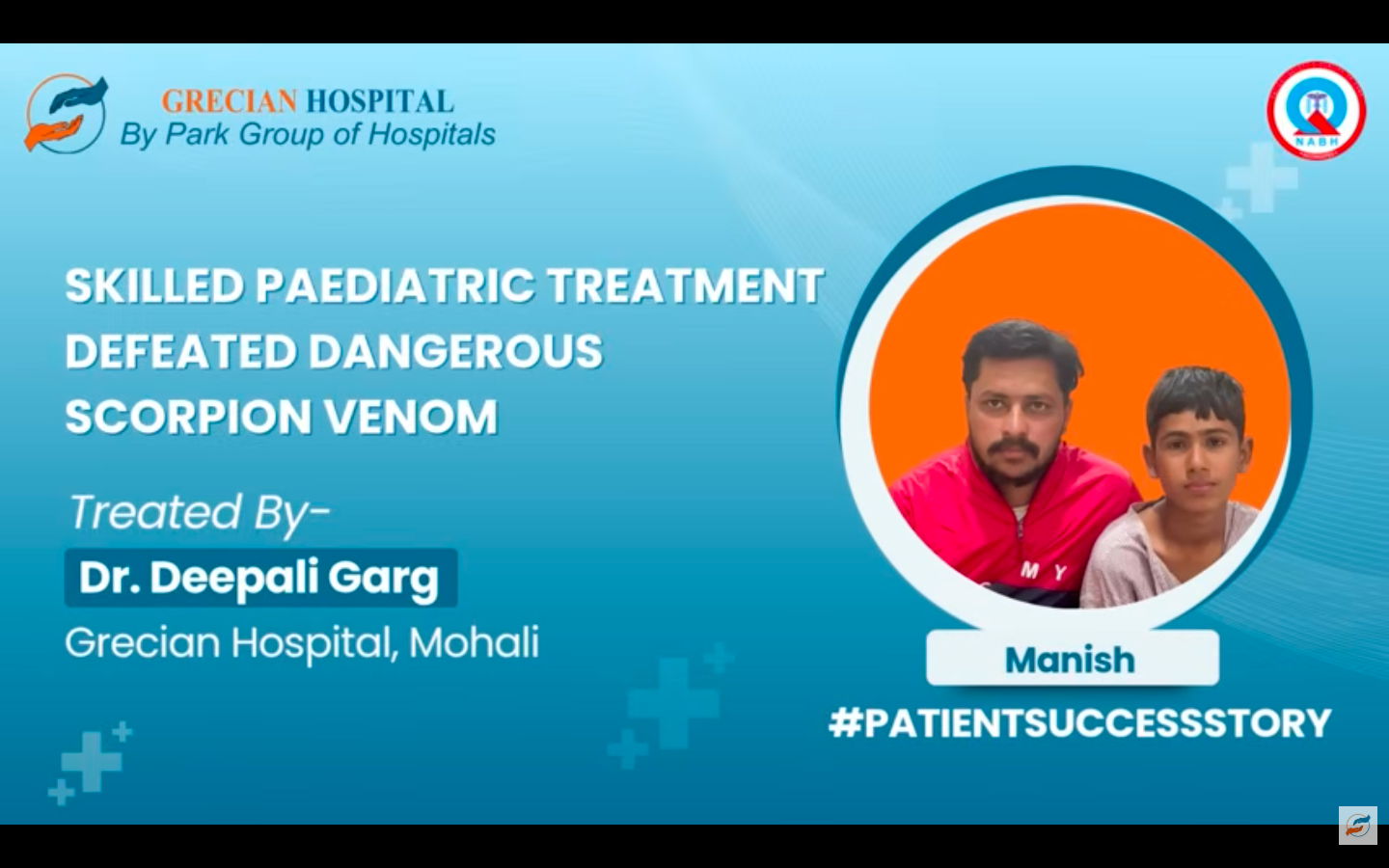
Expert Paediatric Care Defeats Scorpion Venom
A child suffering from a dangerous scorpion sting was successfully treated through timely intervention and expert pediatric care. Prompt diagnosis, critical monitoring, and specialized treatment ensured a safe recovery and positive outcome.
Dr. Milan Arora







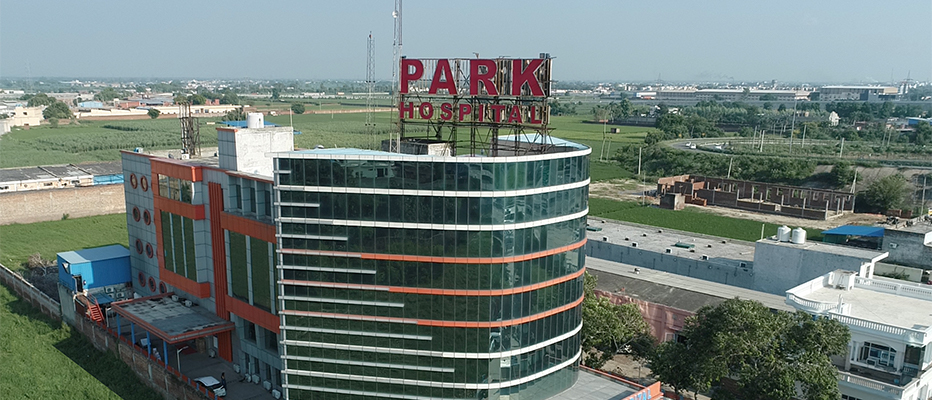



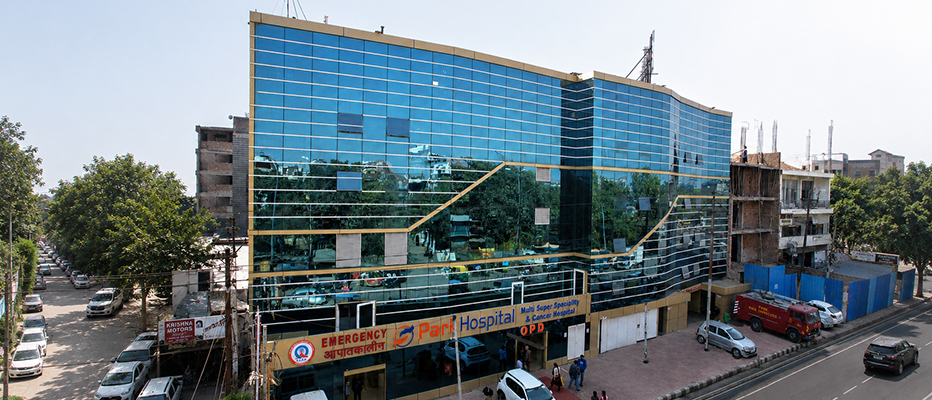







Our Hospital Locations
Healing Near You
Experience world-class clinical expertise and compassionate care at our advanced facilities conveniently located across the region
View AllHealth Tips
Expert Advice for Healthy Life



Frequently Asked Questions
Common questions answered by our experts
A bone marrow or stem cell transplant may be recommended when the bone marrow is no longer producing healthy blood cells or when intensive treatment for certain cancers or other serious conditions requires restoration of the blood-forming system. It may be considered as an initial treatment or after other therapies, depending on the disease, response to treatment and overall health. The decision involves weighing potential benefits and risks and considering whether transplantation or another treatment is more appropriate for the individual patient.
Stem cell transplantation is used for a range of blood cancers and non-cancerous disorders. Conditions may include acute and chronic leukemias, Hodgkin and non-Hodgkin lymphomas, multiple myeloma, myelodysplastic syndromes and certain plasma-cell disorders. It may also be used for conditions such as aplastic anemia, sickle cell disease, thalassemia, certain immune deficiencies and inherited metabolic disorders. The suitability of transplantation depends on the specific disease, its characteristics, available treatment options and the patient's overall health.
An autologous transplant uses the patient's own healthy blood-forming stem cells. These cells are collected and stored before intensive treatment and then returned to the patient to help restore bone marrow function. An allogeneic transplant uses stem cells from another person whose tissue characteristics are sufficiently compatible with the patient. Donor transplantation can provide an additional immune effect against certain diseases but also carries risks such as graft-versus-host disease. The choice depends on the disease and treatment goals.
Before transplantation, the team performs a detailed assessment to determine whether the procedure is likely to be safe and beneficial. Evaluation may include a review of medical history, physical examination, blood tests, imaging, assessment of heart, lung and other organ function, and sometimes a bone marrow examination. The team may also evaluate nutritional and psychosocial factors and assess the status of the underlying disease. These investigations help identify potential risks and determine the most appropriate conditioning and transplant approach.
For an allogeneic transplant, the team looks for a donor whose tissue characteristics are sufficiently compatible with those of the patient. This matching process helps reduce complications and improve the likelihood that the transplanted cells will function successfully. Potential donors may include family members or unrelated donors, and stem cells may come from blood, bone marrow or, in selected circumstances, umbilical cord blood. The transplant team evaluates available donor options and selects the most suitable source based on the patient's disease and individual circumstances.
Recovery generally progresses through several stages: conditioning treatment, stem cell infusion, engraftment and longer-term immune and blood-cell recovery. After infusion, the transplanted stem cells travel to the bone marrow and begin producing new blood cells, a process known as engraftment. This usually takes several weeks, during which patients may require close monitoring, medicines and sometimes blood or platelet transfusions. Recovery continues well beyond engraftment, with regular follow-up to monitor blood counts, infections, complications and the underlying disease.
After transplantation, the immune system needs time to recover, so patients may have an increased risk of infections and other complications. Depending on the transplant type, medicines may be prescribed to prevent infections or, after an allogeneic transplant, reduce the risk of graft-versus-host disease. Regular blood tests and clinical assessments are essential during recovery. Patients may also need guidance on diet, activity, hygiene and avoiding infection risks. Follow-up continues long term because some transplant-related complications can develop months or even years later.