
Obstetrics and Gynaecology
Obs and Gynae Hospital in India
A woman's health needs are unique and dynamic, evolving through adolescence, reproduction, pregnancy, and beyond. At Park Hospitals, our Department of Obstetrics & Gynaecology provides comprehensive, expert, and compassionate care for women at every stage of life from adolescent gynaecological concerns through pregnancy, childbirth, menopause, and gynaecological cancer care.
Our obstetrics programme is built on a simple belief that every birth deserves to be safe, supported, and celebrated. Our team of obstetricians and maternal-foetal medicine specialists provides meticulous antenatal care, including growth monitoring, first and second trimester screening, anomaly scanning, and specialised management of high-risk pregnancies complicated by gestational diabetes, hypertension, or multiple gestation.
Our labour and delivery suite supports natural and assisted birth with epidural analgesia, operative delivery, and emergency caesarean section capabilities. We respect every woman's birth preference and work collaboratively to create personalised birth plans that prioritise safety and individual choice.
Our gynaecology programme addresses menstrual disorders, pelvic pain, fibroids, ovarian cysts, endometriosis, PCOS, and urinary incontinence. Minimally invasive surgery, laparoscopic and hysteroscopic procedures is offered for a wide range of conditions. Gynaecological oncology, cervical, uterine, and ovarian cancer is managed through our multidisciplinary cancer pathway. At Park Hospitals, women's health is a lifelong commitment and we are honoured to be part of it.
Diseases and Procedures
Advanced Treatments For Every Disease
1 Cervical Dysplasia
Cervical dysplasia is a condition characterized by the presence of abnormal cells on the surface of the cervix, the lowe Read More
2 Endometriosis
Endometriosis is a chronic gynecological condition in which tissue similar to the lining of the uterus grows outside the Read More
3 Female Urinary Incontinence
Female urinary incontinence is a condition characterized by the involuntary leakage of urine due to a loss of bladder co Read More
4 Menopause-Related Conditions
Menopause-related conditions refer to a range of physical, hormonal, and emotional changes that occur as women transitio Read More
5 Menstrual Disorders
Menstrual disorders are conditions that affect the normal menstrual cycle, including changes in the frequency, duration, Read More
6 Ovarian Cancer
Ovarian cancer is a type of cancer that develops in the ovaries, the female reproductive organs responsible for producin Read More
Meet Our Experts
Experienced Clinical Leaders
Consult with our highly skilled specialists dedicated to providing world-class medical expertise and personalized treatment plans.
Find A Doctor















 Raman Malhi.png)


.jpeg)





Patient Testimonials
Stories Reflecting Excellence in Patient Care
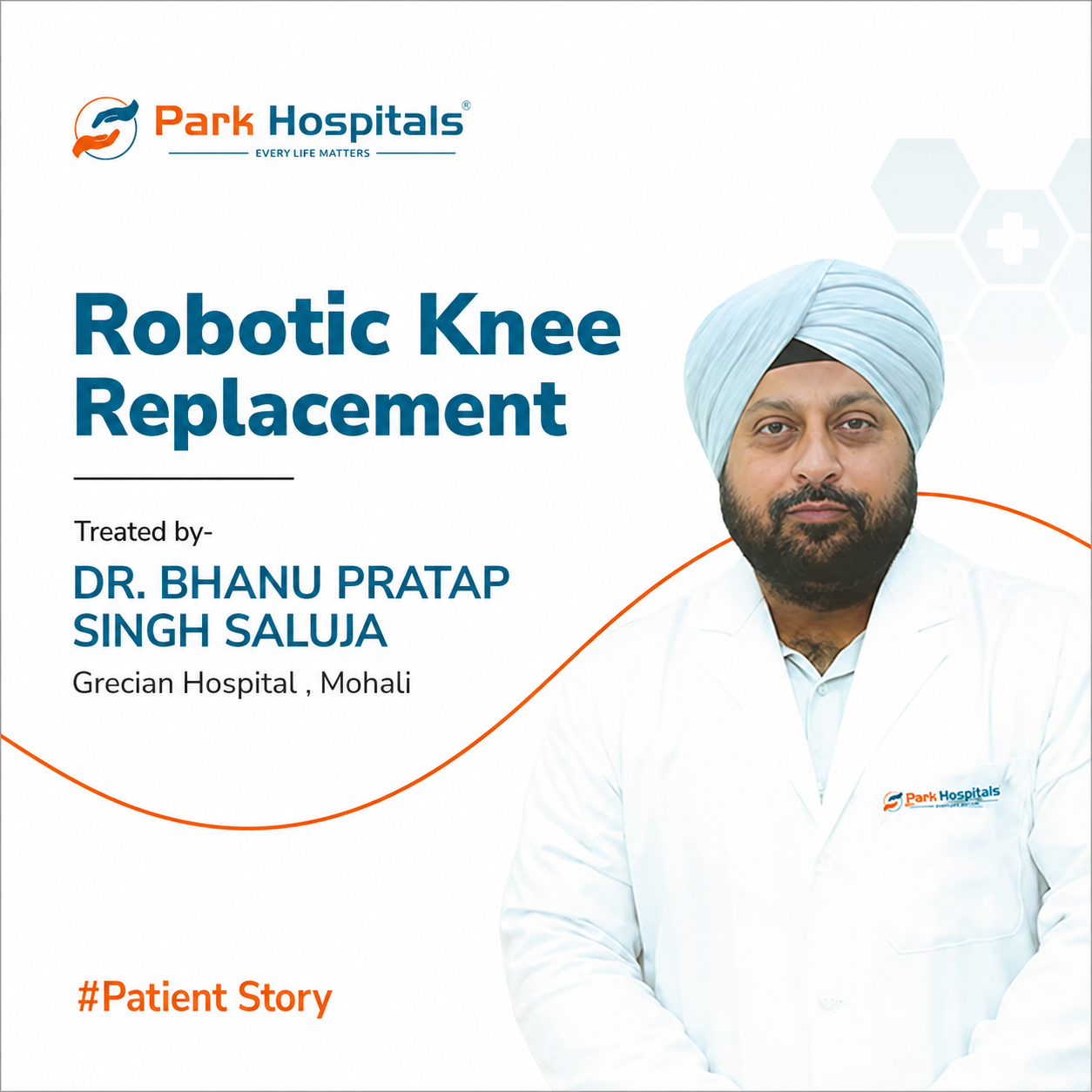
Robotic Knee Replacement Success Story
A patient regained mobility and confidence through successful robotic knee replacement surgery. Advanced robotic technology, expert orthopedic care, and personalized rehabilitation helped reduce pain, improve movement, and enhance overall quality of life.
Know More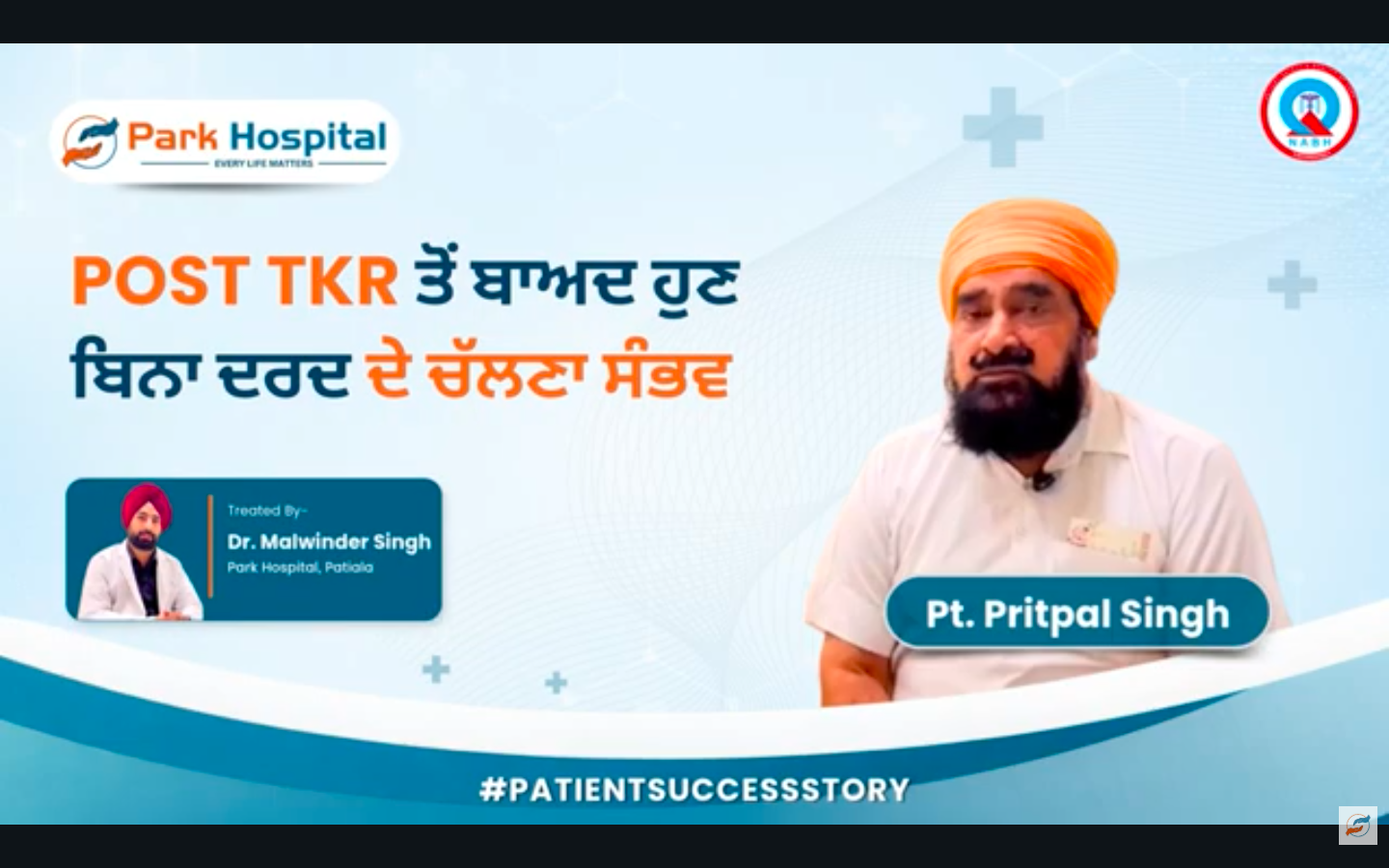
Pain-Free Walking After Total Knee Replacement
Following a successful Total Knee Replacement (TKR), the patient regained mobility and confidence. Expert orthopedic care, advanced surgical techniques, and rehabilitation support helped achieve pain-free walking and an improved quality of life.

Goodbye Knee Pain! | Advanced Knee Replacement | Dr. Anand Jindal | Park Hospital Panchkula
Chronic knee pain can affect your mobility and quality of life. Advanced knee replacement surgery can help you move comfortably and regain confidence.
Dr. Anand Jindal
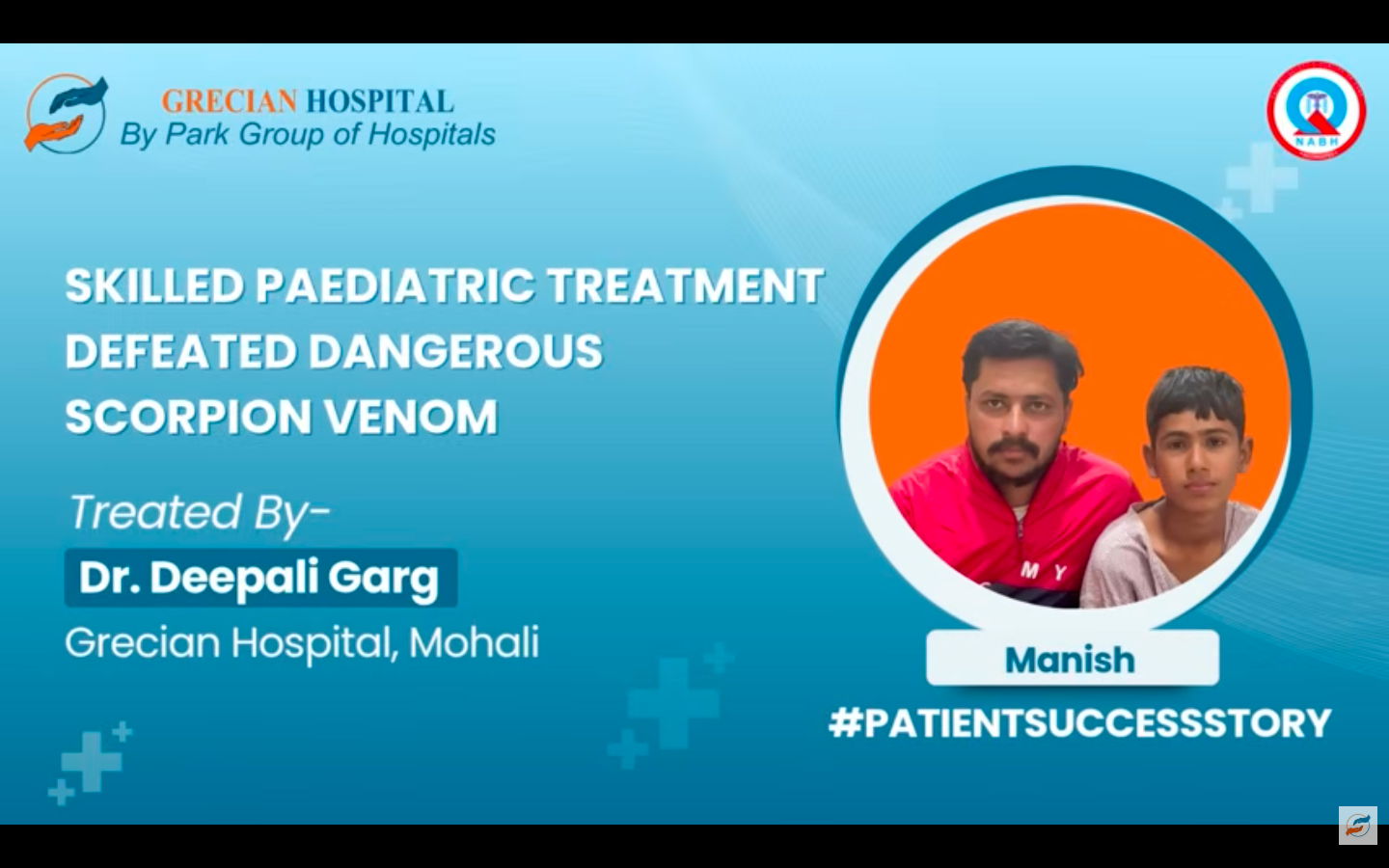
Expert Paediatric Care Defeats Scorpion Venom
A child suffering from a dangerous scorpion sting was successfully treated through timely intervention and expert pediatric care. Prompt diagnosis, critical monitoring, and specialized treatment ensured a safe recovery and positive outcome.
Dr. Milan Arora


















Our Hospital Locations
Healing Near You
Experience world-class clinical expertise and compassionate care at our advanced facilities conveniently located across the region
View AllHealth Tips
Expert Advice for Healthy Life





Frequently Asked Questions
Common questions answered by our experts
An obstetrician-gynaecologist (OB-GYN) provides care across many stages of a woman's reproductive and overall health. Common concerns include irregular or painful periods, abnormal vaginal bleeding, vaginal infections, endometriosis, fibroids, polycystic ovary syndrome (PCOS), fertility concerns and symptoms related to menopause. Gynaecologists also provide contraception and preventive care, while obstetricians care for women during pregnancy, childbirth and the postpartum period. Care is tailored to age, symptoms, reproductive goals and individual health needs.
A gynaecologist can evaluate menstrual or reproductive symptoms that are persistent, unusually severe, recurrent or different from your normal pattern. These may include very heavy or irregular periods, severe menstrual pain, bleeding between periods or after sex, persistent pelvic pain, unusual vaginal discharge or difficulty becoming pregnant. Symptoms such as sudden severe pelvic pain or heavy bleeding may require urgent assessment. Early evaluation can help identify conditions such as fibroids, endometriosis, infections or hormonal disorders and guide appropriate treatment.
Recommended screening depends on age, personal and family history, symptoms and individual risk factors. Depending on these factors, preventive care may include cervical cancer screening, breast cancer screening and evaluation for sexually transmitted infections when appropriate. Blood pressure, weight and other aspects of general health may also be assessed during routine care. Screening recommendations and intervals vary by country and individual circumstances, so your gynaecologist can advise which tests are appropriate and when they should be repeated.
Pregnancy care should begin early, ideally as soon as pregnancy is confirmed or when planning a pregnancy. Antenatal care involves monitoring the health of both mother and baby throughout pregnancy. Visits may include physical examinations, blood and urine tests, ultrasound or other screening, assessment of blood pressure and fetal growth, and guidance on nutrition, supplements, exercise and warning signs. The schedule and investigations vary according to the stage of pregnancy and whether the pregnancy is considered higher risk.
Many gynaecological conditions can be managed with medicines or other non-surgical approaches, but surgery may be appropriate when symptoms are severe, complications develop or a structural problem requires correction. Conditions that may sometimes require surgery include fibroids, endometriosis, ovarian cysts, certain uterine or cervical conditions and some gynaecological cancers. Procedures may range from minimally invasive techniques to more extensive surgery. The recommended approach depends on the diagnosis, severity, reproductive plans, overall health and expected benefits of treatment.
Management depends on the underlying cause. Painful or heavy periods may be treated with medicines, hormonal therapies or other approaches depending on the diagnosis. Conditions such as PCOS may benefit from lifestyle changes, weight management when appropriate, hormonal treatment or medicines for specific symptoms. Endometriosis and fibroids may require medical or procedural treatment depending on severity. Keeping track of menstrual patterns, symptoms and possible triggers can help your doctor understand changes and determine whether further evaluation is needed.
Discuss your main symptoms, menstrual history, reproductive goals, previous pregnancies or procedures and any medicines or supplements you take. Ask what may be causing your symptoms, whether you need screening or diagnostic tests and what treatment options are available. If you are planning pregnancy, discuss preconception health, medicines, vaccinations, nutrition and any existing medical conditions. During pregnancy, ask about recommended tests, warning signs, nutrition, activity and what to expect at different stages of antenatal care.