
Fertility Management
Fertility Management in India
The journey to parenthood is one of the most deeply personal experiences in a person's life, and when that journey is challenged by infertility, the emotional weight is immense. At Park Hospitals, our Fertility Management program provides expert, compassionate, and evidence-based care for couples and individuals facing fertility challenges, offering a full range of reproductive medicine services in a supportive, discreet environment.
Our fertility team begins with a comprehensive evaluation, detailed reproductive history, hormonal profiling, semen analysis, ovarian reserve testing, and pelvic imaging to precisely identify the factors contributing to infertility. Treatment is always individualized and precisely targeted based on this evaluation.
Our program encompasses the full spectrum of assisted reproductive technology, ovulation induction, and intrauterine insemination. Female conditions, including PCOS, endometriosis, fibroids, and tubal blockage, are addressed medically and surgically before or alongside fertility treatment.
Pre-conception counseling, genetic screening, and lifestyle optimization are provided to all couples. Fertility preservation, egg, sperm, and embryo freezing, is available for patients facing cancer treatment or wishing to delay parenthood. At Park Hospitals, we are privileged to be part of one of life's most meaningful journeys, guided by science, skill, and genuine empathy.
Patient Testimonials
Stories Reflecting Excellence in Patient Care
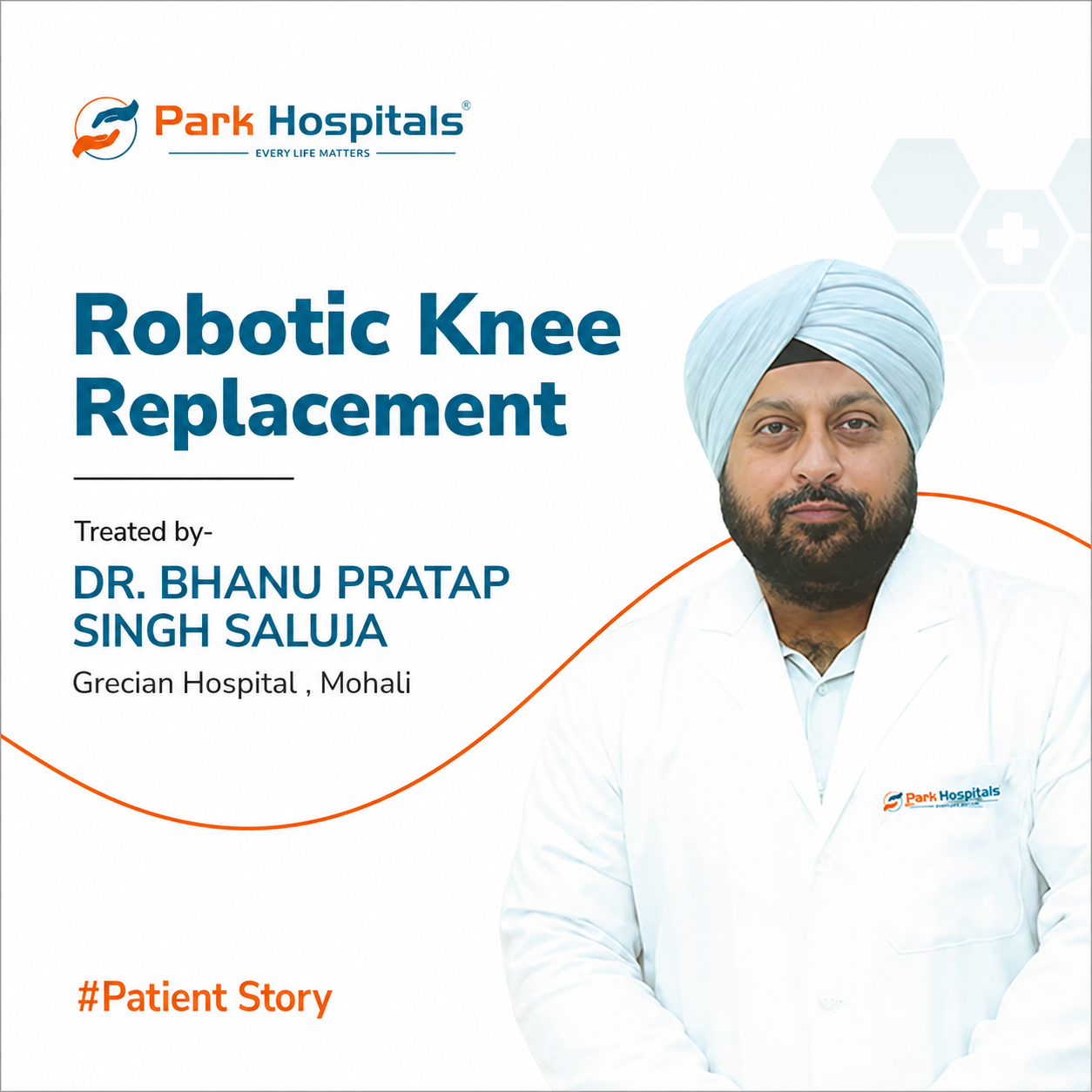
Robotic Knee Replacement Success Story
A patient regained mobility and confidence through successful robotic knee replacement surgery. Advanced robotic technology, expert orthopedic care, and personalized rehabilitation helped reduce pain, improve movement, and enhance overall quality of life.
Know More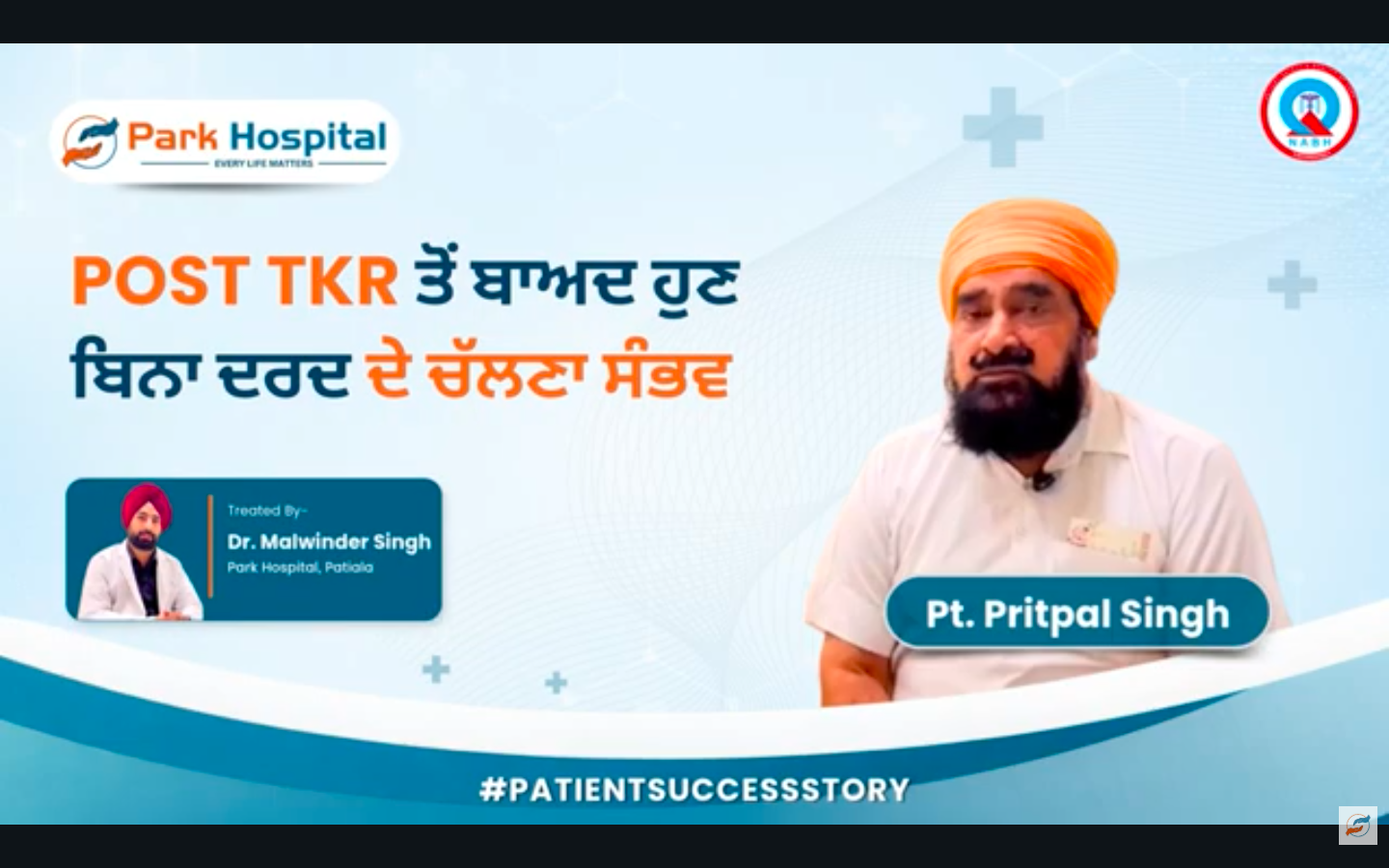
Pain-Free Walking After Total Knee Replacement
Following a successful Total Knee Replacement (TKR), the patient regained mobility and confidence. Expert orthopedic care, advanced surgical techniques, and rehabilitation support helped achieve pain-free walking and an improved quality of life.
Goodbye Knee Pain! | Advanced Knee Replacement | Dr. Anand Jindal | Park Hospital Panchkula
Chronic knee pain can affect your mobility and quality of life. Advanced knee replacement surgery can help you move comfortably and regain confidence.
Dr. Anand Jindal
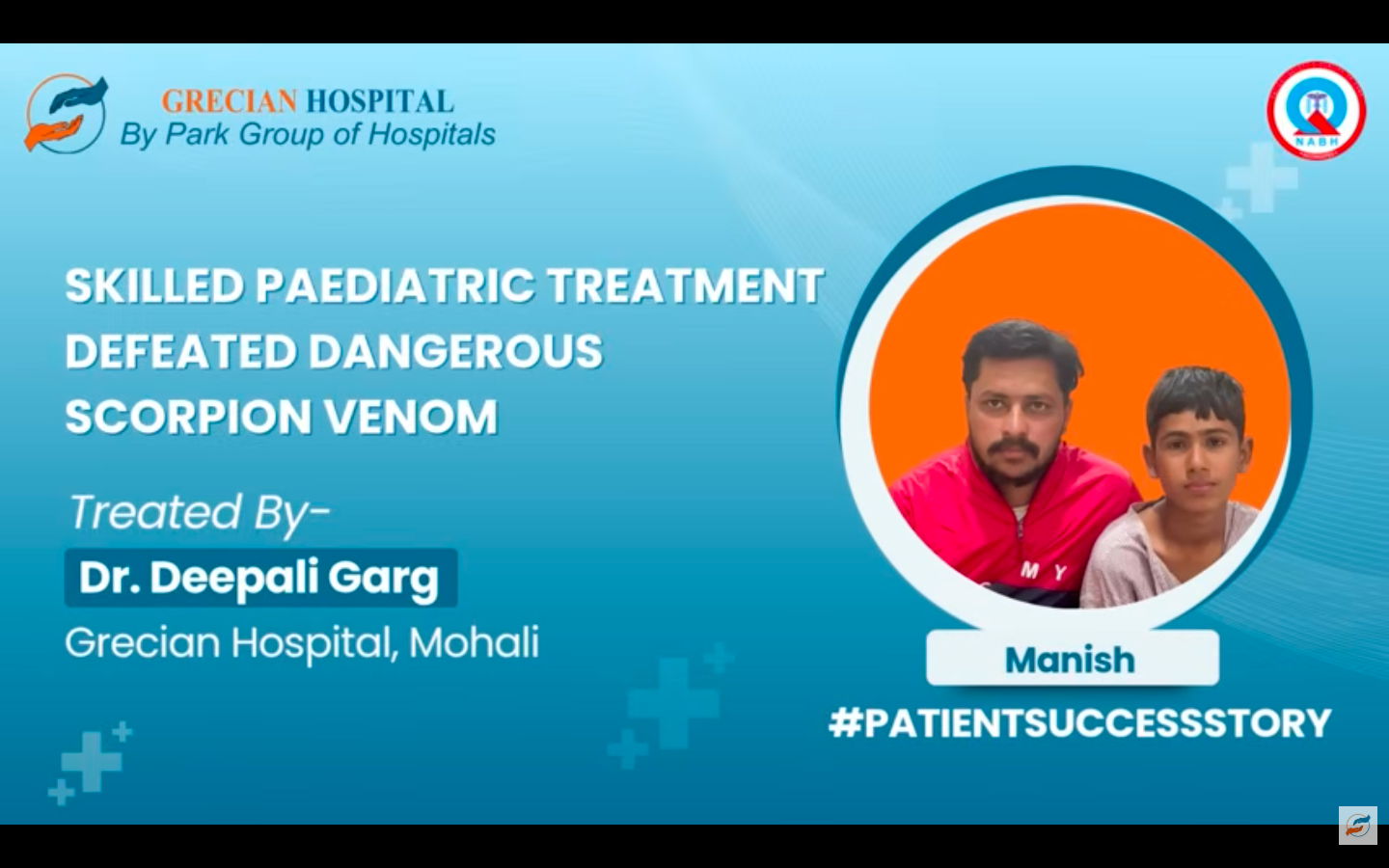
Expert Paediatric Care Defeats Scorpion Venom
A child suffering from a dangerous scorpion sting was successfully treated through timely intervention and expert pediatric care. Prompt diagnosis, critical monitoring, and specialized treatment ensured a safe recovery and positive outcome.
Dr. Milan Arora



















Our Hospital Locations
Healing Near You
Experience world-class clinical expertise and compassionate care at our advanced facilities conveniently located across the region
View AllHealth Tips
Expert Advice for Healthy Life


Frequently Asked Questions
Common questions answered by our experts
For most couples, a fertility evaluation is recommended after 12 months of regular, unprotected intercourse without conception. However, earlier evaluation may be appropriate if the woman is 35 or older and has been trying for six months, or sooner if she is over 40. Couples should also seek help earlier when there are irregular or absent periods, known reproductive problems, repeated miscarriages, endometriosis, previous pelvic infections, or a history of cancer treatment. Male factors such as known sperm problems or previous testicular or reproductive conditions may also warrant earlier assessment.
Fertility can be influenced by factors affecting either partner, and sometimes both. In women, problems with ovulation, age-related changes in egg quantity and quality, blocked fallopian tubes, endometriosis and certain uterine conditions can affect conception. In men, low sperm count, reduced sperm movement or abnormal sperm shape, hormonal problems and certain testicular conditions may play a role. Lifestyle factors such as smoking, excess alcohol, recreational drug use and obesity can also affect fertility. In some couples, no clear cause is identified despite evaluation.
A fertility evaluation generally involves both partners rather than focusing only on the woman. It begins with a detailed medical, reproductive and sexual history and a physical examination. Depending on the situation, women may have ovulation or hormone testing, pelvic ultrasound or tests to assess the uterus and fallopian tubes. Men commonly undergo semen analysis to assess sperm count, movement and shape, with additional hormonal or other testing when indicated. The specific tests depend on age, medical history and the couple's circumstances.
Treatment depends on the underlying cause, how long the couple has been trying, age and individual preferences. Options may include lifestyle changes, medicines to support ovulation or address hormonal problems, surgery to correct certain reproductive conditions, or intrauterine insemination (IUI). Assisted reproductive techniques such as IVF may be considered when other approaches are unlikely to work or have not been successful. Treatment may also involve donor eggs or sperm in selected situations.
IVF may be considered when factors such as blocked or damaged fallopian tubes, certain ovulation problems, unexplained infertility or some forms of male-factor infertility make conception difficult. It may also be considered when other fertility treatments have not worked, or when there is a need to reduce the risk of passing on certain genetic conditions. IVF involves stimulating the ovaries, collecting eggs, fertilising them with sperm in a laboratory and transferring resulting embryos into the uterus. Whether IVF is appropriate depends on the couple's medical circumstances, age, fertility history and preferences.
Lifestyle does not explain every fertility problem, but it can influence reproductive health and treatment outcomes. Smoking can reduce fertility, while excess alcohol, recreational drugs and some medicines may also affect reproductive function. Maintaining a healthy weight and getting regular physical activity may support overall fertility. During fertility treatment, lifestyle factors can also influence the likelihood of success. Couples should discuss smoking, alcohol, supplements, medicines, diet, exercise and any other relevant habits with their fertility specialist rather than relying on unproven fertility remedies.
Useful questions include: What could be contributing to our difficulty conceiving? Do we both need testing? Which investigations are appropriate for us? What treatment would you recommend first, and why? What are the expected benefits, risks and costs? How long should we try one treatment before considering another? If IVF is recommended, what factors may affect our chances of success? Couples can also ask about the possibility of multiple pregnancy, side effects, alternatives and what happens if the first treatment does not work.